The Real Cost of Not Using Block Management Software — And What Good Value Looks Like
Property Management • 19 Apr
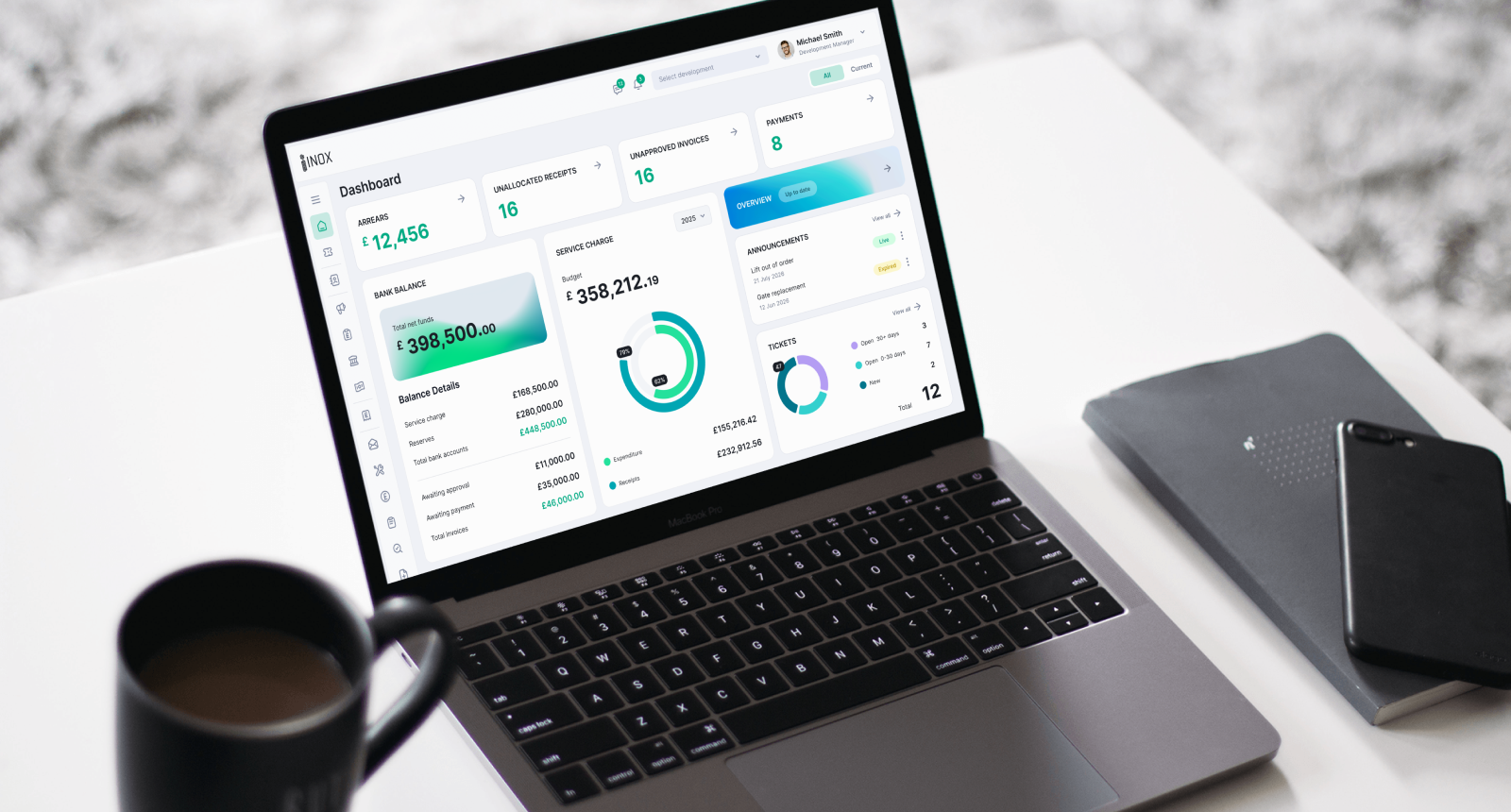
When managing agents evaluate block management software, the conversation almost always starts with price. How much does it cost per month? Is there a setup fee? What is the per-unit pricing? These are legitimate questions, and understanding the cost of a platform is an essential part of any sensible evaluation process. But they are the wrong questions to start with — because they look at only one side of a financial equation that has two.
The question that actually determines whether block management software is good value is not what it costs. It is what it saves. And for most UK managing agents still running their operations on manual processes, spreadsheets, and legacy systems, the honest answer to that question is more than most people expect.
The Hidden Cost of Doing Nothing
There is a comfortable assumption that staying on a current system — however imperfect — costs nothing. The subscription is not renewing. The implementation project is not happening. The training days are not being booked. But the cost of manual block management processes is real, consistent, and measurable. It is just distributed across the working day in ways that are easy to overlook until someone adds them up.
Invoice processing is the clearest example. A managing agent processing invoices manually — receiving them, logging them, keying the data into an accounting system, routing them for approval, reconciling them against the bank — spends significantly more time per invoice than a firm using AI-powered invoice processing software. Multiply the time difference across the invoice volumes of a typical block management portfolio, and the cumulative monthly cost in staff time is substantial. That cost does not appear on a software subscription invoice, but it is being paid every month regardless.
The same logic applies to bank reconciliation. Manual reconciliation at month end consumes accounting hours that automated bank reconciliation software would eliminate. Leaseholder query handling consumes property manager hours that a leaseholder self-service portal would significantly reduce. Email management consumes time across the whole team that structured ticket management software would replace with trackable, accountable workflows.
The cost of staying on legacy block management software or manual processes is not zero. It is the sum of all of these inefficiencies, paid continuously, in staff time that could be directed elsewhere.
How Block Management Software Pays for Itself
The ROI of block management software is best understood by looking at where the measurable savings actually occur — because they are specific, consistent, and available from the first month of use.
At Inox, the most immediate and consistent saving is in accountant time. AI-powered invoice processing transforms what was previously a multi-hour daily task into a workflow that takes minutes. Bulk invoice uploads are read, categorised, and prepared for approval automatically. Automated bank reconciliation keeps service charge accounts current in real time, eliminating the manual month-end process entirely. For accounting teams that have been spending the first week of every month on reconciliation, the time freed is significant — and time freed from routine data entry is time redirected to financial analysis, client reporting, and the advisory work that actually adds value to the client relationship.
For property managers, the saving comes from reduced inbound query handling. When leaseholders can access their service charge accounts, track their reported issues, and retrieve building documents through a self-service portal without contacting the office, the volume of routine inbound queries falls. Every query that the portal answers automatically is a query that a property manager did not have to handle — and across a portfolio of residential blocks, that volume reduction translates into meaningful capacity.
The business case for affordable block management software with AI is therefore not simply that the software is cheaper than the alternative. It is that the software costs less than the problem it solves.
What Good Value Block Management Software Actually Looks Like
Best value block management software UK managing agents should be evaluating is not necessarily the cheapest platform in the market. Value is the relationship between what you pay and what you get — and a platform that costs less but delivers fewer of the efficiency gains that justify the investment is not better value. It is just cheaper.
At Inox, we price our platform to be genuinely accessible to managing agents across the spectrum — from independent firms managing a handful of blocks to established companies managing large residential portfolios. Our per-unit pricing model means that the cost scales with the portfolio rather than front-loading a large fixed fee that smaller managing agents cannot absorb. There are no hidden costs, no mandatory add-ons, and no long-term contracts that lock firms into a platform before they have had the chance to assess whether it delivers what was promised.
The question of whether block management software is worth the investment is one that managing agents who have already made the switch consistently answer the same way. The platform pays for itself — in reduced accountant time, in reduced property manager workload, in fewer errors and fewer missed incidents — and it does so within months rather than years.
The Cost of Staying on Spreadsheets
For managing agents still running their block management operations on spreadsheets and manual processes, the question of whether to invest in software often feels like a question about cost. It is actually a question about risk.
Spreadsheets do not scale. They do not reconcile automatically. They do not track leaseholder communication. They do not process invoices. They do not produce real-time financial statements. Every hour spent maintaining a spreadsheet that a software platform would manage automatically is an hour that is not generating value for the business, the clients, or the leaseholders who depend on the management being done well.
Block management software versus spreadsheets is not a comparison between a paid tool and a free one. It is a comparison between a tool that is designed for the job and a tool that is not. The spreadsheet may not have a subscription cost, but it has a staffing cost, an error cost, a missed-incident cost, and a client-satisfaction cost that add up to significantly more than any block management software pricing UK firms are currently being offered.
The Payback Period Is Shorter Than You Think
How quickly does block management software pay for itself? For most managing agents, the payback period is measured in months rather than years. The reduction in accountant time alone — from AI invoice processing and automated bank reconciliation — typically covers the cost of the platform within the first quarter of use. The reduction in property manager time, the reduction in inbound query handling, and the reduction in errors and missed incidents add further layers of saving that compound over time.
For managing agents asking whether affordable block management software is as good as expensive platforms, the answer at Inox is that affordability and capability are not a trade-off. We built a platform that delivers genuine, measurable efficiency gains — AI-powered invoice processing, automated bank reconciliation, a full leaseholder portal, mobile-first property management — at a price point that makes the business case straightforward rather than aspirational.
Find out what Inox costs and what it saves. Book a demo at www.inoxliving.io/get-demo